Mastering the Art of a Balanced Plate
Mastering the Art of a Balanced Plate
Eating healthily is one of the best decisions we can make for our bodies. Building a balanced plate is a key part of this journey. It makes sure we get all the nutrients we need to stay strong, active, and healthy. Let’s look at how to create a balanced plate that covers everything from proteins to healthy fats.
The Importance of a Balanced Diet
A balanced diet is crucial because it gives our body the nutrients it needs to function correctly. When we eat right, we support our immune system, boost our energy levels, and even improve our mood. Creating a balanced plate is the foundation of this healthy lifestyle.
Key Components of a Balanced Plate
When building a balanced plate, consider the following main components:
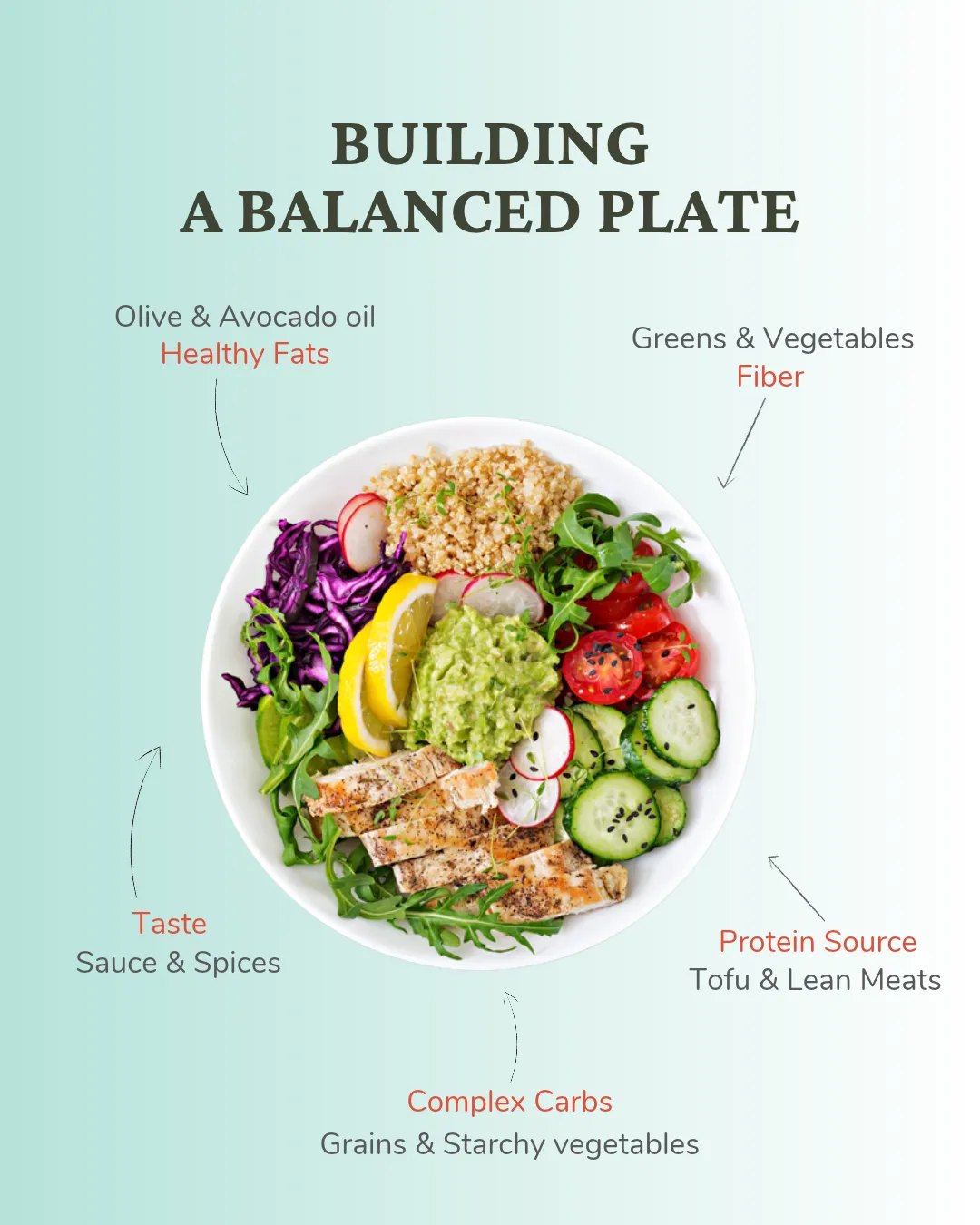
- Healthy Fats: Healthy fats are essential for our brain and heart. They help our body absorb vitamins and keep us feeling full and satisfied. Use olive oil and avocado oil as great sources of healthy fats.
- Fiber: Fiber helps our digestive system run smoothly. It keeps us full and supports our gut health. Adding greens and vegetables, like spinach and broccoli, is a great way to get more fiber.
- Proteins: Proteins are the building blocks of our body. They help build and repair tissues and are essential for growth. Include tofu and lean meats such as chicken or turkey for a solid protein source.
- Complex Carbs: Carbohydrates are our body's main energy source. Opt for whole grains and starchy vegetables like quinoa and sweet potatoes for sustained energy.
- Taste: Adding flavor to our plate is important for enjoyment and satisfaction. Use a variety of sauces and spices to enhance the taste while keeping our meals exciting.
Steps to Building Your Balanced Plate
Creating a balanced plate is simple! Follow these steps:
- Choose a Protein: Start by selecting a good protein source, such as tofu, chicken, or beans. This will help with muscle repair and overall bodily functions.
- Add Vegetables: Fill half of your plate with colorful vegetables. This not only boosts your fiber intake but also adds important vitamins and minerals.
- Select Whole Grains: Choose complex carbohydrates like brown rice or whole-grain pasta to provide long-lasting energy.
- Incorporate Healthy Fats: Drizzle a little olive or avocado oil over your dish. This keeps you full and nourished.
- Enhance with Flavor: Finally, make sure to add some of your favorite spices or a tasty sauce to bring all flavors to life.
Benefits of Eating a Balanced Plate
When we eat a balanced plate regularly, we enjoy several health benefits:
- Improved Digestion: Fiber helps keep our digestive system healthy.
- Better Heart Health: Healthy fats support heart health.
- Strong Muscles: Protein fuels muscle growth and repair.
- Increased Energy: Whole grains offer energy to keep us active throughout the day.
Final Thoughts
Building a balanced plate doesn't have to be complicated. With a bit of planning and understanding of what your body needs, you can achieve a healthy diet every day. Remember, the key is to ensure you enjoy your meals while nourishing your body. So, go ahead and experiment with different foods and flavors, and enjoy the journey to a healthier you.